Craftsmanship
Custom Wall Finishes: How a Bespoke Surface Goes from Sketch to Wall
Some briefs cannot be answered from a catalogue. A colour matched to a client's heirloom textile. A texture that continues the building's facade material indoors. A layered effect a designer sketched that no supplier sells. Custom finish development exists for exactly these projects, and the process matters more than the product.
It starts with what the wall must do
A good custom brief is not just a mood image. We ask what the surface must do and feel like: how it should behave in the room's light through the day, what it will be touched by, how it should age. References, material palettes, and drawings all feed in, but the functional brief is what keeps the prototyping honest.
Prototype rounds, on boards that travel
Development happens on sample boards that move between our workshop and your site. A finish that sings under workshop lighting can die in a north-facing Pune apartment, so every round is reviewed in the actual room. Two to four rounds is typical; the finish is right when the client stops suggesting changes and starts asking when we can begin.
- Round one explores direction: two or three divergent interpretations of the brief.
- Middle rounds converge: colour, layer order, texture depth, sheen.
- The final board is signed, photographed, and becomes the contract standard.
The recipe is documented, coat by coat
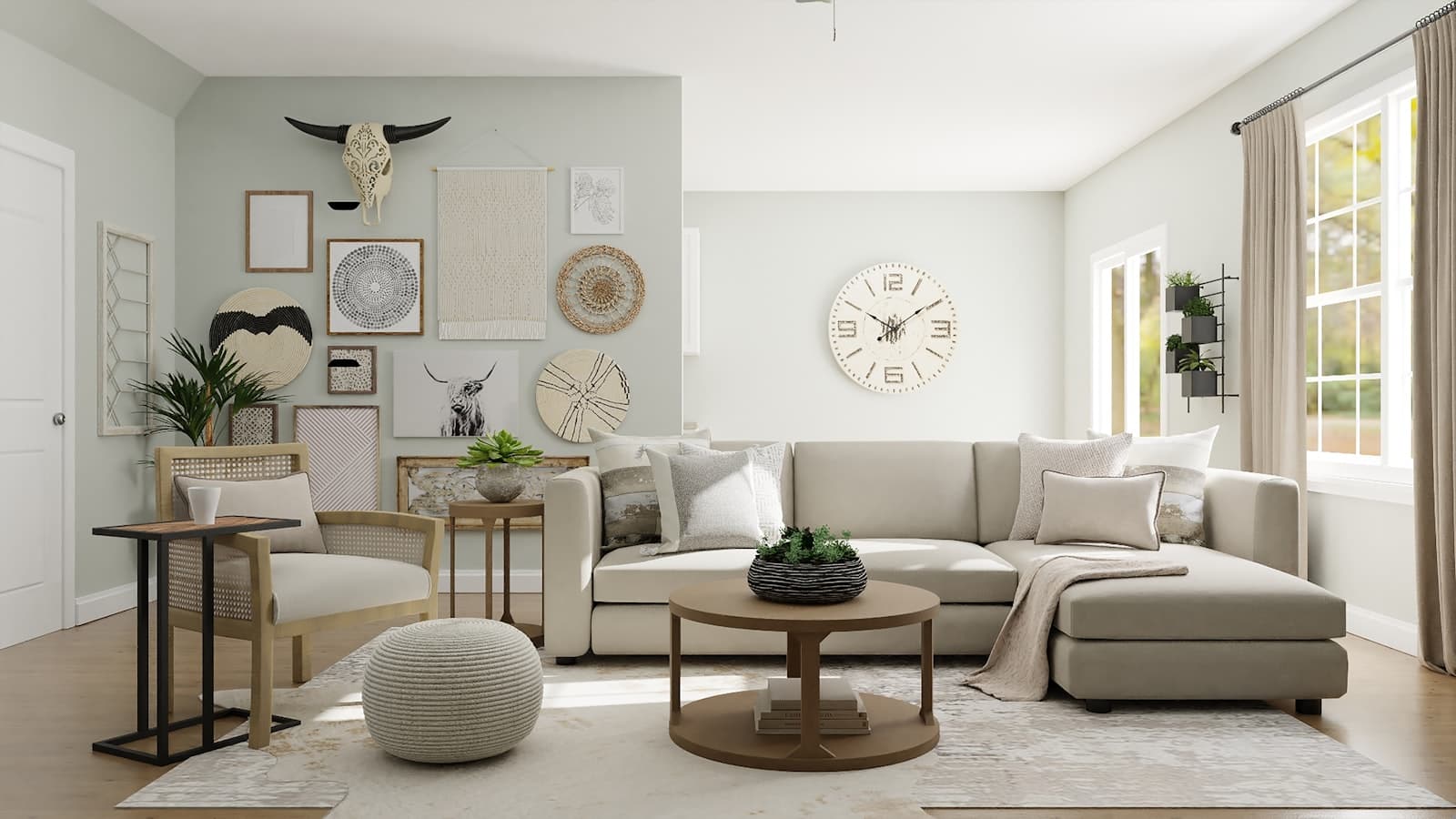
This is the step most applicators skip and clients later regret. Every approved custom finish is recorded as a written recipe: products, tints and ratios, tools, pass order, timings, and seal. Five years later, a damaged section can be repaired identically, or the finish extended into a new room, because the recipe exists on paper and not just in one applicator's hands.
Testing before the wall
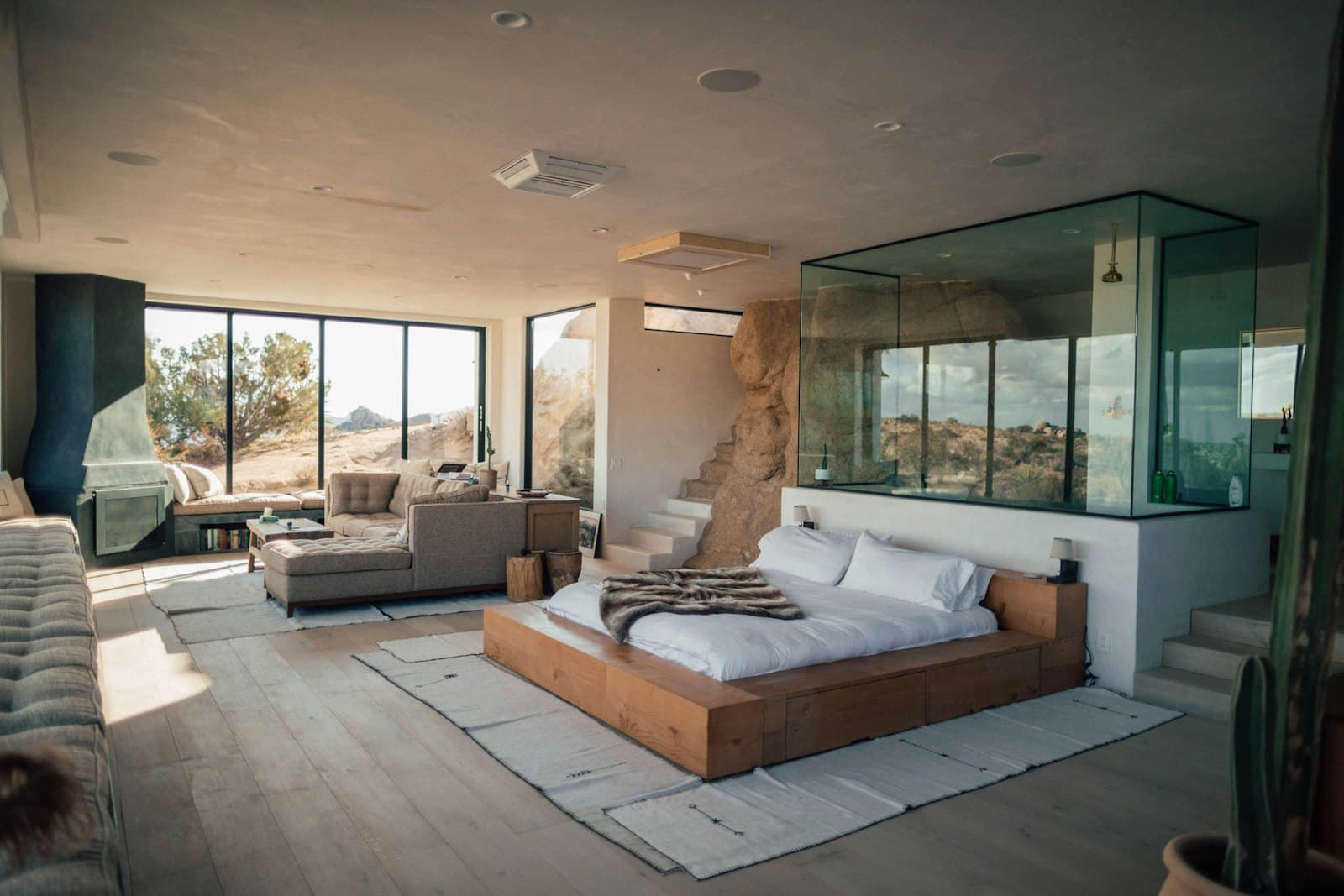
Before a custom system touches your wall, sample boards are tested for adhesion, scrub resistance, and light-fastness. Inventing a finish is the fun part; proving it will still look right after two years of sun and one enthusiastic toddler is the professional part.
Frequently asked questions
- How long does custom finish development take?
- Typically two to four weeks of prototyping before execution, depending on rounds. Complex effects or exact material matches can take longer, and rushing this stage is false economy.
- Does a custom finish cost much more than catalogue systems?
- Development time adds cost up front, but application pricing is similar to comparable decorative systems. You are paying for a finish no one else has and a documented recipe you own.
- Can you match a finish I saw in a hotel or magazine?
- Usually, yes, and often we can improve on it for your substrate and light. Bring the reference; we will prototype toward it and show you cured boards in your room.
- Who owns the finish recipe afterwards?
- You do. The documented recipe is handed over with the project, along with a touch-up kit, so future repair or extension does not depend on us, though we are happy to do it.
Have a finish in your head that doesn't exist yet?
That is our favourite kind of brief. We develop bespoke surfaces with homeowners, architects, and designers across Mumbai, Thane, Navi Mumbai, and Pune. Start with a conversation and a reference image.
Priyanka Dangi
Content & Finish Specialist, Contour Surfaces
Priyanka writes about decorative surfaces, material selection, and the craft behind premium wall finishes, drawing on Contour Surfaces' project work across Mumbai, Thane, Navi Mumbai, and Pune.